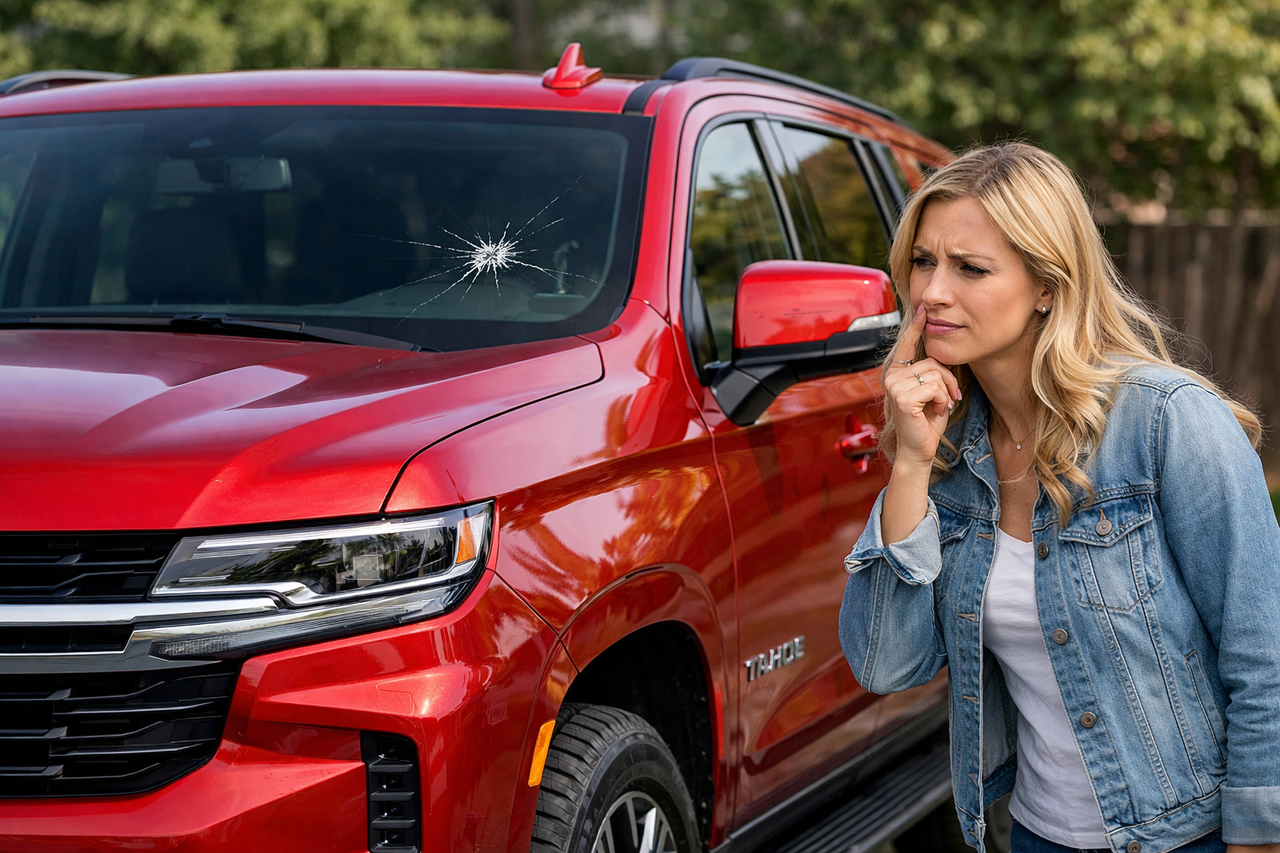
Every cracked windshield tells a story. Some stories end with a quick resin repair and a ride back to work. Others end with a full replacement and a reminder about summer heat, potholes on Independence Boulevard, or a tailgate drive behind a gravel truck on I‑85. If you drive in and around Charlotte, you see all of it: sudden temperature swings in spring, humid summers, shaded cul-de-sacs under oak trees, and plenty of road construction. Those conditions shape how glass fails. The better you can read a crack, the faster you can decide whether to repair or replace, and whether to get a Charlotte Windshield Quote before the damage spreads.
I’ve worked on auto glass across Mecklenburg County for years. The patterns are familiar, but the decisions still require judgment. Below is a field guide to common windshield crack types, what they mean structurally, and how to navigate repair versus replacement smartly in our climate and traffic.
What your windshield is designed to do
Windshields are laminated safety glass, two sheets of tempered glass fused to a clear polyvinyl butyral layer. That middle layer keeps broken shards adhered and maintains cabin integrity. It also buys you time. A crack in laminated glass behaves differently than a crack in a side window. It can be stabilized, often repaired, because the inner layer holds cohesion and absorbs energy.
Modern windshields do more than block wind. They are a structural member that supports roof strength, channel airbag deployment, and carry a forest of sensors: rain, light, lane cameras, infrared heaters, humidity modules. Any decision about repair or replacement has to consider that. A repair that stabilizes the glass but leaves distortion in the camera’s field of view is not a win. Likewise, a replacement that ignores calibration is just a new problem with a fresh invoice. Reputable shops like Auto Glass Charlotte or any Charlotte Auto Glass provider worth your time will discuss structure, safety systems, and calibration up front, then give a clear Auto Glass Quote Charlotte so there are no surprises.
The hit versus the crack
When something strikes your windshield, the initial damage is the impact point, often called a pit, star, or chip. Cracks are lines that run from that point. Some chips never sprout cracks. Many do, and they do it at the worst time: a hot day with the AC blasting, a cold snap after a warm afternoon, or right after your car drops into the dip near Brookshire Freeway.
The difference matters because chip repairs are quicker, cleaner, and cheaper than crack repairs. If you catch a chip early, a technician can fill it, cure the resin with UV light, and stop cracks from forming entirely. Wait a week in July, and that tidy chip can snake into a foot-long stress crack overnight.
A practical taxonomy of windshield damage
Plenty of diagrams exist, but out in the field we reduce damage to a few meaningful categories. Understanding the mechanics behind each helps you decide how quickly to act and what to ask when you call for a Charlotte Windshield Quote.
Bullseye
A bullseye chip looks like a circular or near-circular crater with a dark center and one ring around it. It often comes from rounded objects, like pea gravel, acorns, or debris kicked up at highway speeds.
Bullseyes are among the most repairable damages. If the diameter is under about an inch and there are no long cracks radiating out, a resin injection can restore most of the strength and clarity. Time matters. The longer the impact area stays open to the elements, the more dust and moisture work into the layers, which compromises the bond and leaves a visible ring even after repair. I’ve repaired bullseyes a month after impact where the resin bond was fine, but the cosmetic result looked like a faint bruise. Early is better.
Star break
Imagine a point with several thin cracks radiating out like a star. These occur when the glass flexes sharply at the moment of impact. Stars can be tiny and look harmless, but those spokes give cracks a head start. Temperature swings pull on each spoke. Any one of them can lengthen into a full crack.
Stars are repairable if the total footprint is roughly under 2 inches and none of the spokes reaches the edge of the glass. A careful technician will drill a micro-anchor at the end of a threatening spoke to stop migration, then inject resin. The work is delicate. If you are parking your car all day in a South End lot that gets full sun, cover the inside of the windshield with a light towel so the glass doesn’t expand while you wait for service. Heat turns star breaks into spider webs.
Combination break
A combination break mixes characteristics of a bullseye and a star. You might see a central cone with short cracks arcing out, or a star nested inside a small, crushed zone. Combo breaks often come from heavier or irregular debris. They repair well when small, but their complexity means a higher chance of residual blemish.
With combinations, I look for two things: whether any crack wing windshield Charlotte NC 28290 has started to branch, and how close the damage sits to the driver’s primary sight area. Even a structurally sound repair can leave a slight smudge or refraction if a lot of glass crushed at the impact point. If that spot sits dead center in your vision, you may prefer a replacement despite the repair being technically feasible. It’s a quality-of-life call as much as a safety call.
Half moon
A half moon looks like a bullseye sliced in half. The impact is still circular, but the ring is incomplete. You see these when a glancing object hits at an angle. They tend to repair cleanly. The open side of the half moon is where stress likes to travel, so an anchoring technique during repair helps.
Surface pit
A pit is a tiny ding that removed a pepper-flake of glass but did not create a crack. Pits add up, especially if you commute behind trucks on I‑77, but a single pit without cracks is usually not repair material unless it sits in front of a sensor or the driver’s focus area. Pits can scatter oncoming headlights into glare at night, so if you are getting distracted or fatigued by starry halos, be honest with yourself about whether a replacement might improve your driving comfort.
Edge crack
An edge crack starts within about two inches of the windshield’s perimeter. They are often long even when you first notice them, sometimes running 6 to 12 inches. Installation stress, frame flex, and temperature gradients near the molding drive edge cracks. In Charlotte, I see them after a sudden cold rain cools a hot windshield, or when an older vehicle with a slightly rusted pinch weld flexes across a railroad crossing.
Edge cracks are rarely good candidates for repair, even if they lengthen slowly. The perimeter carries much of the windshield’s structural load. Resin cannot restore the original strength in that zone. If you have an edge crack, request a replacement and ask about corrosion inspection at the pinch weld. A good Auto Glass Charlotte technician will flag any rust or adhesive issues before they seat the new glass.
Stress crack
Stress cracks appear without an obvious impact point. They often start near the edge and run in a gentle curve, like a lazy river across the pane. Causes include body flex, sudden temperature change, or manufacturing defects. We get calls every fall when the first cold mornings hit. A driver turns the defroster on high, the middle of the glass heats fast, the edges stay cool under the trim, and a hairline curve forms by the base.
Once a stress crack passes an inch or two, replacement beats repair. There is no pit to fill, and the crack will likely continue as the seasons shift. If your car has a heated wiper park area, be cautious with the highest setting on a frosty morning. Gradual changes save glass.
Long crack
Any crack longer than about 6 inches is a long crack. Under some conditions, specialty resins can stabilize long cracks up to 12 or 14 inches, but you cannot expect optical invisibility. Also, if the crack crosses the driver’s primary sight area, even a strong repair can leave a faint line that catches light.
When someone calls asking whether to repair a 10-inch crack, I ask two questions: where it sits relative to their eyes and whether their car carries ADAS cameras. If the crack hugs the passenger side and the goal is to delay a replacement by a few months before trading the car, a long-crack repair can be a rational stopgap. If the crack slices the driver’s side and the car uses a camera-based lane system, replacement and calibration is the responsible move.
Crack branching and spiders
Once a crack begins to branch, especially from a star break, the repair calculus changes. Every branch is a separate path of stress relief. Branching means the glass has already flexed multiple times under varying loads. We can fill it, but the probability that a branch extends later is higher. If you park in a garage all week and drive minimally, a fill might hold for years. If you drive Uber uptown and run the AC all day between hot asphalt stopovers, I would not gamble.
Why cracks spread faster in Charlotte than your cousin’s car in Colorado
Different regions stress glass differently. In arid climates, rapid evaporative cooling can snap a crack. In Charlotte, the combination of humidity, tree cover, and abrupt sun-to-shade transitions is the culprit. You leave a South Park parking structure into July sun, the glass expands quickly, then you hit a shaded stretch on Providence Road. That constant back-and-forth, compounded by the stiffness of modern vehicle frames and stiffer tires, agitates marginal damage.
Add construction zones into the mix. Fine grit sticks to glass in humid air. If a chip stays open, that grit infiltrates. When resin later bonds, contaminants weaken the repair. This is why a technician asks you to put a piece of clear packing tape over a fresh chip if you can. It seals out grit and moisture until service. It looks odd for a day, but it saves you money.
Repair versus replacement, with nuance
Three axes guide the decision: structural integrity, optical clarity, and system functionality.
Structural integrity: If the damage affects the perimeter, includes more than three cracks from a single impact point, or shows signs of delamination, replacement is the safer call. Delamination looks like milky or hazy edges around the crack where the inner layer has separated.
Optical clarity: The law in North Carolina refers broadly to having an unobstructed view. More importantly, your comfort and safety matter. If a repair leaves a shimmer in your sight line that catches sunset glare on the bridge over Lake Norman, your eyes work harder and your reaction time suffers. That problem scales with night driving.
System functionality: If your windshield houses cameras or sensors, any alteration to their field of view demands calibration after replacement and sometimes even after repair if distortion is present. Skipping calibration is not a savings. The car may not warn you properly or could overcorrect. Quality Charlotte Auto Glass shops will include calibration in their estimate or coordinate it with a partner. When you request a Charlotte Windshield Quote, ask how they handle ADAS recalibration and whether it is static, dynamic, or both for your make.
Now, the gray areas. Small chips and stars in the passenger’s side are easy repair calls. Large combination breaks near the driver can be replaced even if technically repairable. Rarely, a collector car with obsolete glass might push you toward repair beyond the usual thresholds. On the other hand, a new EV with acoustic laminated glass and heated elements may lead you toward replacement earlier because the margin for optical and electrical issues is narrow.
Cost, insurance, and timing
Most basic chip repairs run a small fraction of a full replacement. Repairs are typically done same day, often in 30 to 45 minutes, mobile or in shop. Replacements vary widely, from a few hundred dollars for common vehicles to well over a thousand for models with complex sensors, acoustic layers, heads-up display zones, or special coatings.
If you carry comprehensive insurance, many carriers waive the deductible for chip repair. Replacement usually involves your deductible unless you have full glass coverage. The most cost-effective move is immediate repair. A $100 repair today prevents a $1,000 replacement next month. When you ask for an Auto Glass Quote Charlotte, share your VIN. It lets the shop confirm the exact glass and calibration needs and prevents misquotes.
Timing matters as much as cost. If you schedule a repair, keep the car dry for a few hours beforehand. Water in the layers interferes with resin. After repair, some resins cure instantly under UV and others continue to harden for a day. Avoid high-pressure car washes for 24 hours. For replacements, the urethane adhesive sets to a safe drive-away strength within an hour or two, depending on product and weather. A reputable technician will write the safe drive time on your receipt. Respect it. Your windshield contributes to airbag performance. If you drive off too soon and hit a bump on Tyvola Road, you can shift the bond and invite a leak.
The risk of ignoring a crack
Two common misconceptions feed procrastination. First, that a crack stabilizes once it reaches a certain length. Sometimes a stress crack slows, but every temperature cycle, every pothole, every lane merge that torques the body creates new forces. I’ve seen a 4-inch crack stay quiet for months, then dart to 12 inches over one 98-degree weekend.
Second, that a crack is only cosmetic. It is visual distraction, it undermines structural support, and it raises the chance of a sudden line-of-sight failure. I replaced a windshield for a teacher from Matthews who had lived with a passenger-side crack for a year. One wet evening, oncoming headlights caught the crack just right. The glare created a flare across her vision and she briefly lost depth perception at a merge. No collision, thankfully, but the decision to replace came the next morning.
What technicians look for before they quote
Beyond the obvious size and location, we check for moisture, contamination, subsurface cracks invisible from outside, and previous repair attempts. A poorly done repair complicates a second try. We also inspect the surround: are the moldings intact, is there paint damage at the pinch weld, any signs of prior glass removal like cut marks or adhesive residue. If a previous installer scratched the frame and left it bare, rust can form under the molding and compromise the new bond. On older trucks in Charlotte that have seen salted roads up in Boone or Blowing Rock, I plan an extra half hour for rust treatment.
For ADAS, we confirm what your car needs. Some vehicles require a static calibration on a level floor with targets placed at specific distances, others a dynamic calibration on a road drive with clear lane markings. Charlotte’s patchwork of fresh and faded paint can frustrate dynamic calibration. A shop that knows the routes will pick a stretch with crisp lines and low traffic, often early morning. If your schedule is tight, ask whether a static calibration is possible for your model.
DIY temptations and their limits
An inexpensive resin kit from a parts store can work on a small, clean bullseye if you are patient. The trouble is controlling contamination, temperature, and pressure. Kits rarely include a proper UV lamp, and sunlight varies. I’ve seen DIY jobs that left air pockets, which look like tiny pearls in the repair and act like stress concentrators. If the car is older and the damage is minor, DIY might buy you time. If the car is newer, carries ADAS, or the chip sits in an area you stare through every minute, professional repair is worth it.
Local realities that shape your decision
Charlotte heat persuades cracks to spread during lunchtime errands. Afternoon thunderstorms drop glass temperature quickly, then the sun returns and bakes the outer layer. If you park outdoors, a simple reflective sunshade reduces expansion, and cracking momentum slows. Gravel and debris are worse near road projects on the 485 loop and along South Tryon. If you have to follow dump trucks, give extra space. Freshly resurfaced segments spew grit for weeks.
Tree canopies make for great summer shade in Dilworth and Myers Park, but acorns and small branches do more windshield damage than most drivers expect. If your car sleeps under oaks in September, consider a cover or different space until the drop passes. Those angled hits create half moons and stars that are small enough to repair if caught quickly.
Finally, shop selection matters. You want a technician who treats glass work as both structural and optical. Ask how many calibrations they perform weekly, what urethane they use, and whether they guarantee against water leaks. When you request a Charlotte Windshield Quote, clarity beats the lowest number. A line-item estimate that lists the glass part number, molding, adhesive, calibration method, taxes, and any mobile fee helps you compare apples to apples.
A short field checklist for drivers
- If you see a fresh chip, cover it with clear tape, keep it dry, and schedule repair within 48 hours. Measure cracks. Under 6 inches with no edge involvement often repairs well. Note location. Anything in the driver’s primary view or within two inches of the edge deserves priority. Confirm sensors. If your car uses cameras, ask about calibration in your Auto Glass Quote Charlotte. Treat the new bond gently. Follow the safe drive time and avoid slamming doors for a day.
When replacement is the right answer
Some cases do not need debate. A crack touching the edge on a car that supports the passenger airbag on the windshield side deserves replacement. A chip or crack directly in the path of a forward camera, even if small, can degrade image quality enough to confuse lane-keeping software. Deep combination breaks with crushed glass that refract light will annoy you at night no matter how skillful the repair. A windshield with multiple chips across the field of view may technically be repairable one by one, but your eyes will still work harder afterward. At that point, installing new glass restores clarity and reduces fatigue.
When replacing, match the options exactly. Acoustic glass dampens highway noise, and many drivers notice the difference after an incorrect install with non-acoustic glass. Heated zones and shaded bands exist for a reason. A good Charlotte Auto Glass shop will pull the build sheet by VIN and verify. After installation, look along the glass from outside with the sun at a low angle. You’re checking for distortions called roller waves, minor ripples from manufacturing. High-quality glass shows minimal waves, especially in the camera’s view. If you see funhouse distortions, speak up immediately. Reputable shops stand behind their parts.
The payoff for making the right call
Addressing a chip quickly, choosing repair or replacement with your eyes open, and insisting on correct calibration all add up to safety and peace of mind. The cost difference between early repair and late replacement can be tenfold. The comfort difference between a pitted, repaired-to-death pane and a fresh, properly spec’d windshield is immediate, especially at night and in rain.
Charlotte roads are busy. Construction ebbs and flows. Summer storms hit hard. You cannot control every pebble that bounces off your hood, but you can control how you respond. If you spot damage, take a photo with a coin for scale, keep it dry, and call a trusted provider for a straightforward Charlotte Windshield Quote. Whether you work with Auto Glass Charlotte or another experienced shop, press for specifics, not slogans. Ask how, not just how much. A technician who welcomes those questions is the one you want bonding glass to your car.
The glass in front of you is not an accessory. It is part of the structure that keeps you safe, the lens your eyes use for hours daily, and the window through which your car’s safety systems see the world. Learn to read the signs in a crack, and you will know when to patch the story and when to turn the page.